Cognitive Health and Neuro-Nutrition: Omega-3, B Vitamins, Mitochondria, and Sleep
Brain performance depends on membranes, methyl metabolism, cellular energy, and recovery sleep — not on a single “smart pill.” Neuro-nutrition here means supporting those foundations. It does not mean treating Alzheimer’s disease, dementia, or ADHD.
What Neuro-Nutrition Can Honestly Say
Neurons and glia run continuous membrane remodeling, neurotransmitter synthesis, and high ATP demand. Diet and targeted nutrients can support that physiology. They cannot replace neurologic diagnosis, prescription therapy, or cognitive rehabilitation when a clinician has identified a disorder.
Structure/function framing: support brain membrane integrity, one-carbon nutrient status, and cellular energy metabolism that the nervous system uses every day. Dietary supplements are not intended to diagnose, treat, cure, or prevent any disease.
If memory loss, confusion, mood crisis, or attention impairment is sudden or progressive, seek medical evaluation — do not self-treat from a wellness article.
Omega-3: Membrane Architecture First
Docosahexaenoic acid (DHA) is highly concentrated in neural membranes; eicosapentaenoic acid (EPA) participates in inflammatory-resolution pathways studied in nutrition research. Adequacy supports membrane fluidity and signaling environments — a structure story, not a dementia drug story.
Practical notes:
- Prefer consistent weekly intake from fatty fish or a quality Omega-3 formula over sporadic megadoses
- Phospholipid and triglyceride delivery forms both appear in the literature; choose on tolerance, adherence, and clinician preference
- Track status with an Omega-3 index when useful (Omega-3 index guide; krill oil science)
ABTIDE’s phospholipid Omega-3 lane: Essentials. Adjacent BDNF framing (non-treatment): BDNF and precision nutrition.
B Vitamins: One-Carbon Support, Not a Memory Cure
Folate, B12, and B6 support one-carbon metabolism — the chemistry that regenerates methionine and S-adenosylmethionine (SAM) and that intersects with homocysteine handling. The brain depends on that network for methylation chemistry and neurotransmitter-related pathways.
Restrained translation:
- Correcting frank B12 or folate deficiency matters clinically and should be supervised
- Homocysteine can be a pathway readout — interpret with a clinician, not as DIY cardiology or neurology (homocysteine intervention education)
- MTHFR nuance belongs in DNA methylation nutrition and B-complex methylation — genotype is one input, not a destiny
Do not market B vitamins as treatment for Alzheimer’s disease or as a substitute for cholinesterase inhibitors, memantine, or any prescribed cognitive therapy.
Mitochondrial Brain Context: Energy and Redox
The brain is an energy-expensive organ. Mitochondrial electron transport produces ATP and, as a byproduct, reactive oxygen species. Supporting mitochondrial redox capacity is a cellular-health conversation — complementary to membranes and methyl donors.
Educational lanes (structure/function only):
- CoQ10 — electron transport participation (CoQ10 and cellular energy)
- Ergothioneine — OCTN1-mediated uptake and mitochondrial-retained antioxidant biology (ergothioneine longevity; research-ergo; products)
- Oxidative balance — oxidative stress defense
These are not treatments for neurodegeneration. They are tools in a cellular energy resilience map under Our Science.
Sleep: The Non-Negotiable Cognitive Nutrient
Sleep consolidates memory, clears metabolic byproducts through overnight physiology, and resets autonomic tone. Chronic restriction undermines attention and mood far more reliably than any missing capsule restores them.
Supportive, non-treatment notes:
- Protect a consistent sleep window before stacking nootropics
- Magnesium conversations belong to recovery and enzyme support — not insomnia diagnosis (sleep–metabolism axis; HPA/stress nutrition)
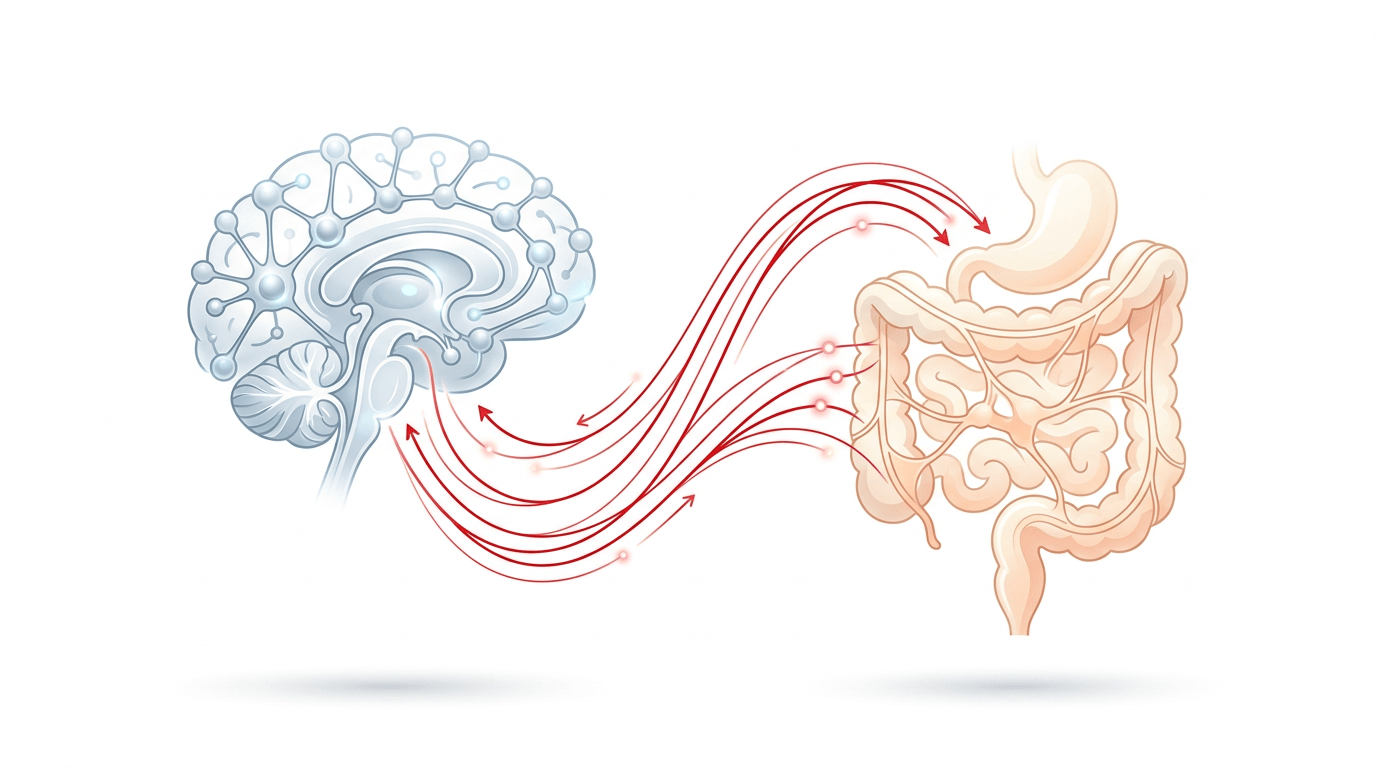
- Gut–brain signaling can influence stress and comfort; probiotics support ecology, not psychiatric disease (gut–brain axis; probiotics)
A Practical Neuro-Nutrition Order of Operations
- Sleep, daylight, and movement (especially aerobic + resistance)
- Protein adequacy for neurotransmitter amino acid supply (amino series; research-amino)
- Omega-3 membrane support (Essentials)
- B-vitamin adequacy when diet or labs indicate need
- Mitochondrial redox education (CoQ10 / ergothioneine context) as optional layers
Selection help: precision nutrition how-to, solutions, or the wellness quiz — then confirm with a clinician when symptoms or labs are involved.
Hard Boundaries
This article does not claim to treat, prevent, or reverse Alzheimer’s disease, other dementias, mild cognitive impairment as a drug substitute, ADHD, depression, anxiety disorders, or stroke. Structure/function support for everyday cognitive nutrition is the ceiling.
Bottom Line
Neuro-nutrition is a stack: membranes (Omega-3), methyl metabolism (B vitamins), mitochondrial energy/redox context, and sleep. Use it to support brain physiology — never as a stand-in for neurologic or psychiatric care.
These statements have not been evaluated by the Food and Drug Administration. This product is not intended to diagnose, treat, cure, or prevent any disease.
ABTIDE Wellness — Vancouver. Educational only. Not medical advice.