
BDNF, Lifestyle, and Precision Nutrition: Exercise, Sleep, Polyphenols, Omega-3, and the Gut–Brain Axis
Brain-derived neurotrophic factor (BDNF) is one of the most studied molecular links between daily habits and the brain’s capacity to remodel synapses. Precision nutrition can support the lifestyle and nutrient environment associated with healthy BDNF signaling — it does not treat neurological or psychiatric disease.
What BDNF Is (and Is Not)
BDNF is a neurotrophin involved in synaptic plasticity, neuronal survival signaling, and activity-dependent remodeling in regions such as the hippocampus and cortex. In research settings, BDNF is discussed as a mediator of learning, memory consolidation, and adaptive responses to exercise and enriched environments.
What BDNF is not in a consumer-nutrition context:
- A blood test you should chase as a vanity biomarker without clinical framing
- A promise that a supplement will raise cognition by a fixed percentage
- A treatment pathway for depression, Alzheimer’s disease, Parkinson’s disease, or ADHD
This article uses structure/function language: supporting lifestyle and nutritional factors associated with healthy neurotrophic signaling. Dietary supplements are not intended to diagnose, treat, cure, or prevent any disease.
Exercise: The Most Reproducible Lever
Among lifestyle inputs, structured physical activity — especially protocols that include aerobic work and, in many studies, high-intensity intervals or combined training — is the most consistently associated with favorable BDNF responses.
Mechanism discussions in the literature often involve:
- Increased neuronal activity and calcium-dependent BDNF transcription
- Peripheral myokines and metabolic signals that communicate with the brain
- Improved cerebral blood flow and stress-axis regulation with training adaptation
Precision takeaway: before stacking nootropics, establish a training stimulus you can sustain. Nutrition supports recovery and substrate availability; it does not replace movement.
Sleep: When Plasticity Consolidates
BDNF signaling and synaptic remodeling are tightly coupled to sleep architecture. Chronic sleep restriction is associated with impaired cognitive performance and altered neurotrophic and stress-hormone environments.
Precision-nutrition implications are mostly indirect but practical:
- Stabilize caffeine timing and late-night glycemic swings that fragment sleep
- Support evening wind-down rather than stimulant-heavy “focus stacks”
- Treat sleep duration and regularity as first-line interventions for brain-supportive physiology
If sleep is broken, BDNF-oriented supplementation is rearranging deck chairs.
Polyphenols: Redox and Signaling Context
Dietary polyphenols (found in berries, cocoa flavanols, green tea catechins, olive polyphenols, and colorful plant foods) are studied for antioxidant and cell-signaling effects that intersect with neuroplasticity research. Proposed pathways include modulation of oxidative stress tone, endothelial function relevant to cerebral perfusion, and gene-expression programs linked to neurotrophic factors in experimental models.
Human evidence varies by compound, dose, and population. The responsible framing is:
- Emphasize food patterns rich in diverse polyphenols
- Treat concentrated extracts as optional adjuncts with quality verification
- Avoid claiming disease modification
Polyphenols belong in a brain-supportive dietary pattern — not in a hype narrative.
Omega-3 Long-Chain Fatty Acids: Membrane and Signaling Support
EPA and DHA are structural components of neuronal membranes and precursors for specialized pro-resolving mediators involved in inflammatory resolution. DHA, in particular, is abundant in gray matter and is discussed in relation to membrane fluidity and synaptic signaling environments in which neurotrophins operate.
Precision-nutrition use:
- Assess long-term status when possible (e.g., Omega-3 index) rather than guessing from occasional fish intake
- Prefer consistent dietary seafood and/or quality Omega-3 supplementation over sporadic megadoses
- Keep claims at the level of supporting membrane composition and inflammatory resolution biology — not treating cognitive disorders
Phospholipid and triglyceride delivery forms both appear in the literature; choose based on adherence, tolerance, and clinician preference. ABTIDE’s Essentials series includes phospholipid Omega-3 options for this membrane-support lane.
The Gut–Brain Axis: Microbial Signals Meet Neurotrophic Tone
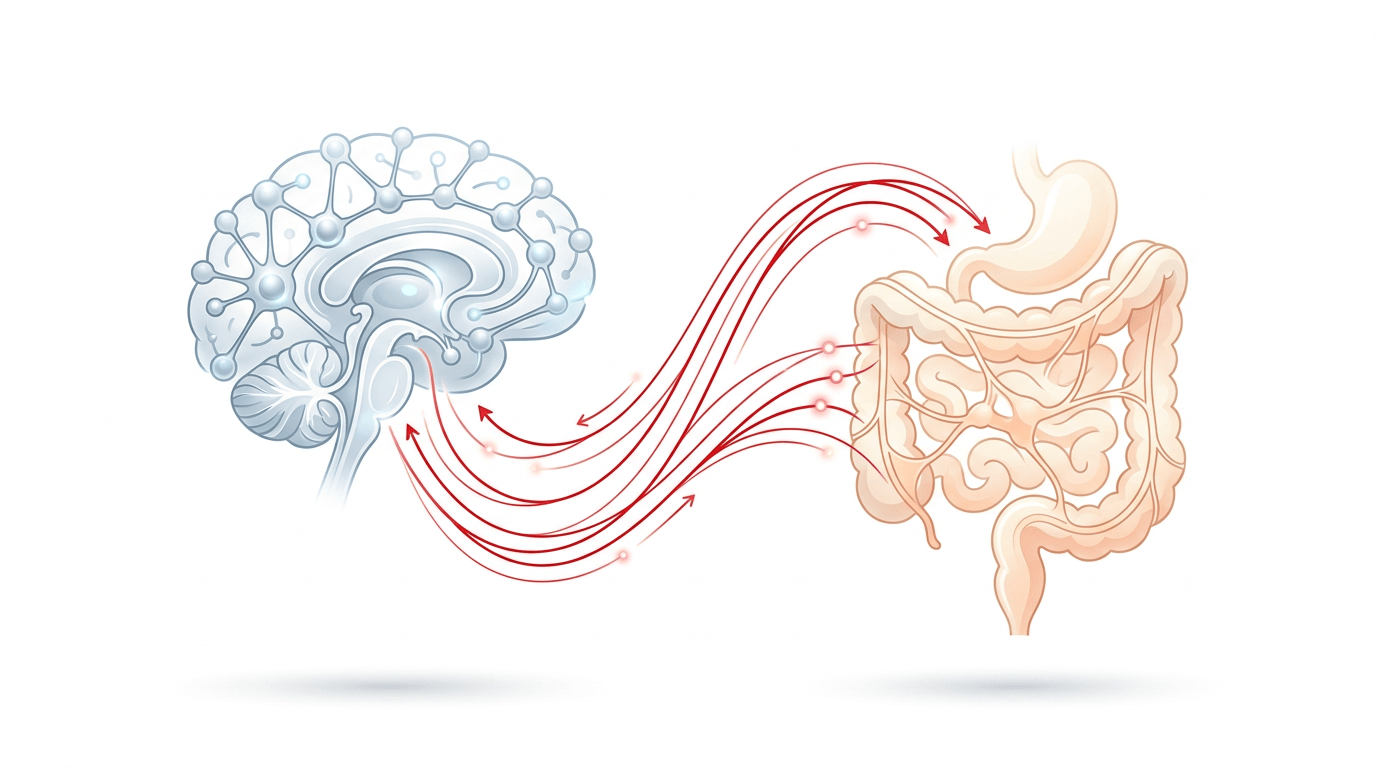
The gut microbiome communicates with the central nervous system via the vagus nerve, immune cytokines, microbial metabolites (including short-chain fatty acids), and neurotransmitter-related pathways. Experimental and emerging human work explores how microbial ecology relates to stress responsivity and neurotrophic signaling — including BDNF in some model systems.
This is systems biology, not a claim that probiotics treat mental illness.
Practical structure/function supports often discussed:
- Diversified fiber and polyphenol intake to feed SCFA-producing taxa
- Barrier-supportive nutrition and sleep/stress hygiene
- Strain-conscious probiotic use as ecological support when appropriate
For the foundational map of enteric nervous system–microbiome–brain communication, read The Gut–Brain Axis. Product architecture for multi-strain delivery lives under Probiotics.
Putting the Levers in Order
A BDNF-aware precision plan ranks inputs by leverage and evidence robustness:
- Train — progressive aerobic + resistance stimulus
- Sleep — duration, regularity, circadian alignment
- Food pattern — protein adequacy, colorful plants, seafood/Omega-3
- Stress load — chronic cortisol environments antagonize plasticity goals
- Targeted adjuncts — polyphenol-rich foods/extracts, Omega-3 status support, gut ecology tools
Supplements sit at step 5. Lifestyle is the intervention; nutrition is the substrate and signal environment.
What Success Looks Like Without Disease Claims
Reasonable outcomes to track (with clinician guidance when relevant):
- Training consistency and recovery quality
- Sleep metrics
- Dietary pattern score (plants, seafood, ultra-processed load)
- Optional: Omega-3 index or other nutrition markers inside a broader biomarker loop
Cognitive disease outcomes are medical endpoints. They are outside structure/function supplement language.
Bottom Line
BDNF research connects exercise, sleep, polyphenols, Omega-3 fatty acids, and gut–brain signaling to the biology of synaptic plasticity. Precision nutrition’s job is to support that environment with measured, restrained tools — not to sell a cure for brain disease.
ABTIDE Wellness — Vancouver. Educational only. Not medical advice. Dietary supplements are not intended to diagnose, treat, cure, or prevent any disease.